






We’re almost there – we’ve practically covered all the steps that precede the application of double-sided tapes and adhesives. Now it’s time to analyze the final factor: PRESSURE.
Chapter 5: Pressure in Double-Sided Tape Bonding – How Important Is It Really?
Introduction: Pressure in Double-Sided Tape Bonding
We’ve reached the final, yet crucial, step to achieve effective bonding: the pressure applied when using double-sided tape or adhesive. After discussing substrates, cleaning, primers, and temperature, it’s time to address an often underestimated element that can determine the success or failure of a bond.
Pressure and Adhesives: A Delicate Relationship
Curing is not always instantaneous
Whether it’s a double-sided tape or a structural adhesive, the pressure applied during bonding plays a crucial role. Too much or too little pressure can compromise the joint.
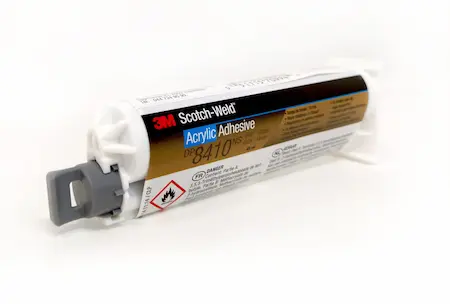
Each adhesive has its own curing time: from instant cyanoacrylates to two-component adhesives that require hours or even days. That’s why clamps, weights, or clips are often used to hold parts together during polymerization. But beware: incorrect pressure can worsen the result.
Too Much Pressure: Risk of Overflow
If you use the right amount of adhesive but apply too much pressure, it can cause the adhesive to overflow. Besides aesthetic issues, this may reduce the adhesive layer to the point of compromising mechanical strength or thermal resistance.
Not Enough Pressure: Weak Bonding
Conversely, insufficient pressure can prevent the adhesive from spreading evenly across the surfaces. The result? A weak joint that can fail under stress or allow air or water to pass through, especially if the adhesive also provides sealing.
Pressure in Double-Sided Tape Bonding: A Matter of Sensitivity
Double-sided tape isn’t magnetic: it needs pressure
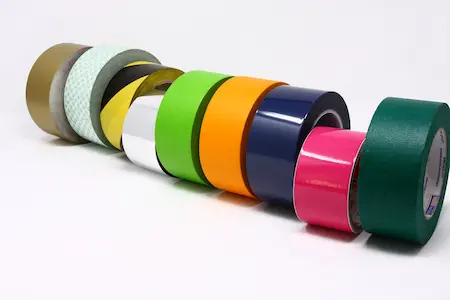
We often hear the phrase “the tape doesn’t stick.” Our first question is always: “Did you press it properly?” That’s because all double-sided tapes are pressure-sensitive adhesives. This means they won’t adhere without pressure. Mere contact is not enough.
How to Apply Pressure Correctly?
As with adhesives, the pressure applied when bonding with double-sided tape must be well calibrated. Generally, clamps aren’t needed—just a roller or your hand. If the tape lies flat with no bubbles or wrinkles, and the liner peels off easily, the pressure is likely correct.
Measuring the Pressure Applied
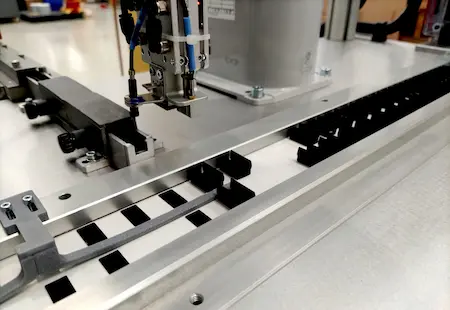
Want to be sure you’re applying the right pressure? There are press rollers with built-in force thresholds: they only roll if a specific pressure is applied, ensuring effective bonding.
Excessive Compression: When Thickness Is Misleading
For tapes thicker than 0.3 mm, excessive pressure can cause crushing and deformation of the adhesive material. The result? Loss of functional thickness, curling, or uneven adhesion.
Conclusion: Balancing Pressure Is the Key to Effective Bonding
The pressure applied during bonding with double-sided tape or adhesive is critical to the success of the joint. Too much or too little compromises the result. Always follow the technical instructions, and if you’re unsure, consult our experts.
Don’t proceed blindly: successful bonding starts with the right pressure.
Also see
Chapter 1 – The Substrate
BMP staff