


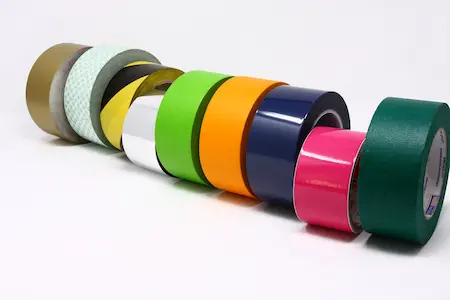
Nastri Adesivi Speciali
Special Adhesive Tapes

SPECIAL ADHESIVE TAPES include products which, by virtue of the carrie and/or the adhesive used to produce them, have qualities different from those of the categories of common single- and double-sided tapes.
These are products with peculiar chemical-physical properties characterized by notable performances.
Their use tends to be dedicated to very specific fields of application in industry.
Heat-activated tapes
Heat-activated tapes can have structural performance and be used in place of liquid adhesives for permanent bonding in industrial processes.
They have at least 1 inert, non-adhesive side at room temperature. This side can be activated with a solvent or by pre-heating at medium temperatures.
There are heat-activated hot-melt products whose adhesive bonds, even after their application, are reversible if subjected to high temperatures. These products are defined as reactivable (thermoplastic).
Others can no longer be reactivated because the cross-linking occurs through a thermosetting process and subsequent heating is no longer able to dissolve the bonds: if the temperature is raised further the adhesive sublimates and the bond breaks. Thermosetting tapes, due to their characteristic of giving rise to structural bonds, are used when high performance is required.
Among the main applications we find: fixing microchips to smart cards, joining difficult materials (glass fibres, bituminous membranes), joining between very dissimilar materials (sheet metal/glass, gaskets/sheet metal, etc.).
Thermo-conductive tapes
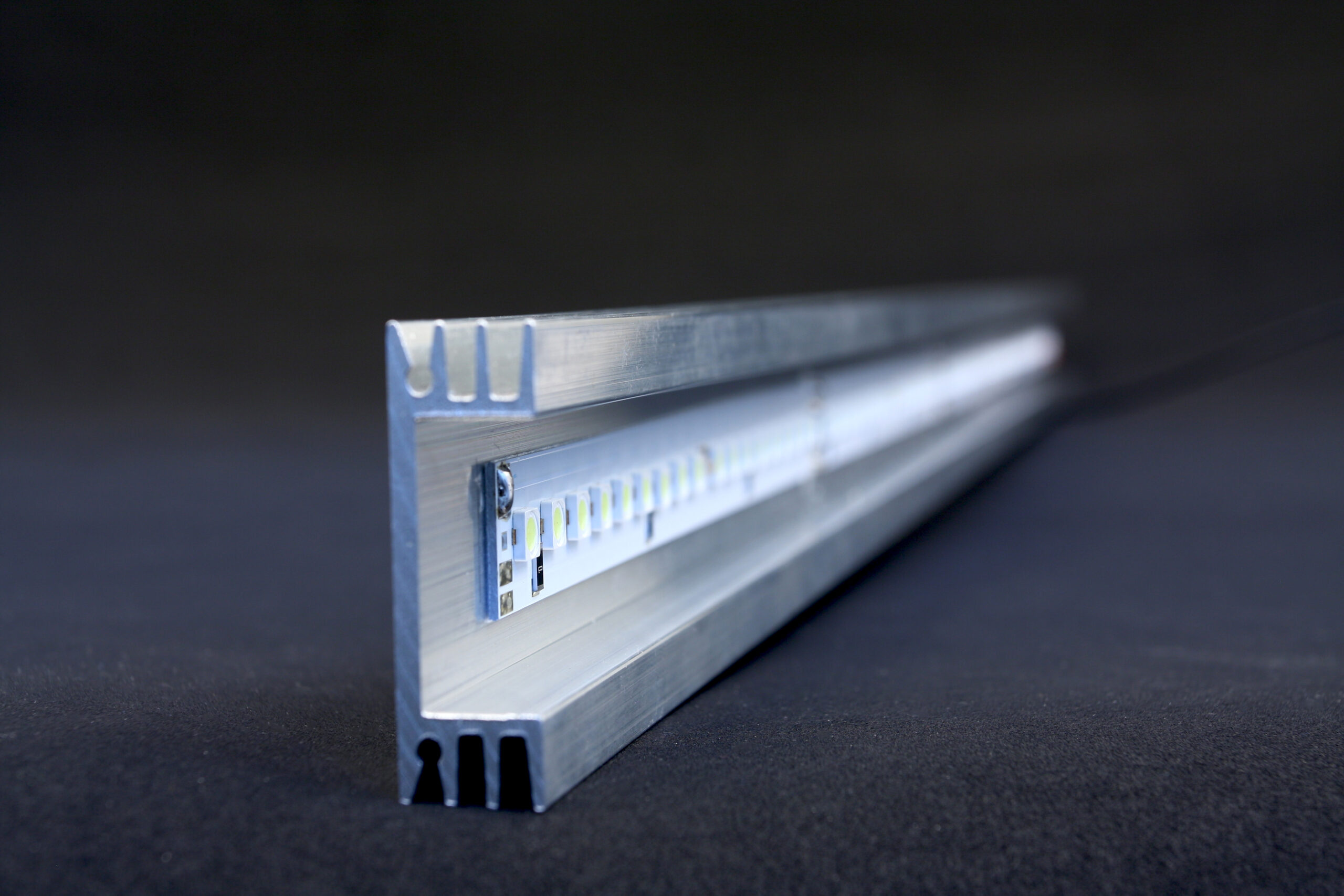
Heat dissipation is an essential factor in the design and manufacturing of electronic equipment.
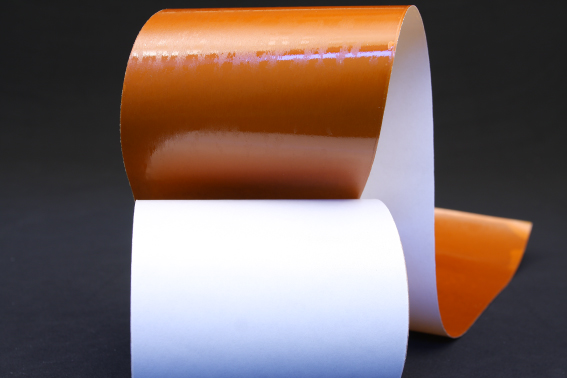
The conduction of heat from any device to a related heat sink is conditioned by the contact surface. Thermo-conductive double-sided adhesives are an effective alternative to conductive adhesive pastes, compared to which they are simpler and quicker to apply, allowing for more homogeneous heat transmission (for example in high-power LED lamps, LED TVs, laptops, tablets, etc.).
The advantages of conductive double-sided adhesives are:
- speed of heat exchanger assembly processes;
- require less qualified manpower;
- they do not dirty the devices;
- immediacy and ease of use;
- convenient cost.
Anti-adherent tape
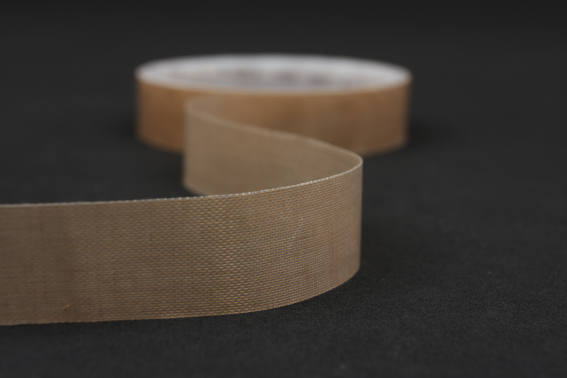
These single-sided tapes have a low coefficient of friction thanks to their special composition of Teflon (PTFE), polyimide, flock, polysiloxane cloth or high molecular weight polyethylene (UHMW).
Perfect for all anti-friction coatings on cylindrical or flat surfaces. Most of them also offer strong resistance to chemical aggression.
They were mainly designed for:
- avoid wear and adhesion;
- facilitate the sliding of products on machinery and conveyor belts;
- withstand high friction and rubbing;
- reduce noise levels from machinery and equipment;
- reduce chemical deterioration of processes.
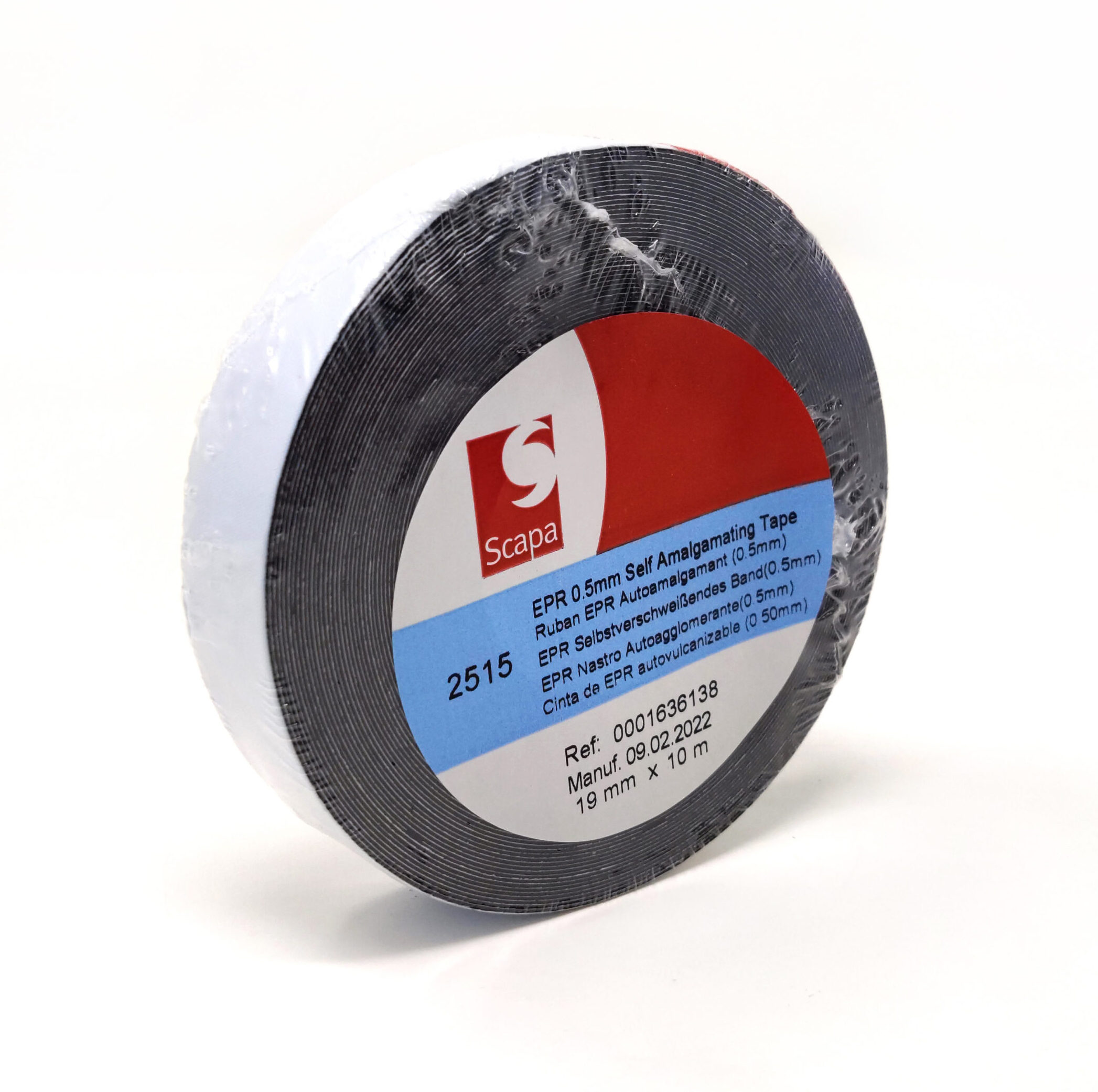
Self-amalgamating tapes
The main characteristic of this type of products, which are today available in PIB (polyisobutyl), EPR (ethylene propylene) or silicone, is that of not being adhesive: to the touch, in fact, they do not have the classic stickiness typical of adhesive products.
However, by tensioning them during their application, and making the coils overlap, they self-agglomerate, transforming, in a few minutes, into a compact and cohesive mass, just like a rubber sheath.
These materials, thanks to their electrical insulation capabilities, resistance to aging, ozone and prolonged immersion in water, have a vast range of applications, especially in the electrical sector.
Specifically, they are used for:
- The reconstruction of the insulation sheaths of medium or low voltage electrical cables;
- Watertight sealing of telecommunications cables;
- The protection of salt water joints in marine applications (submersible pumps);
- Less critical applications such as the nautical and motor sports sectors as well as in gardening and DIY in general.
Sealing tape
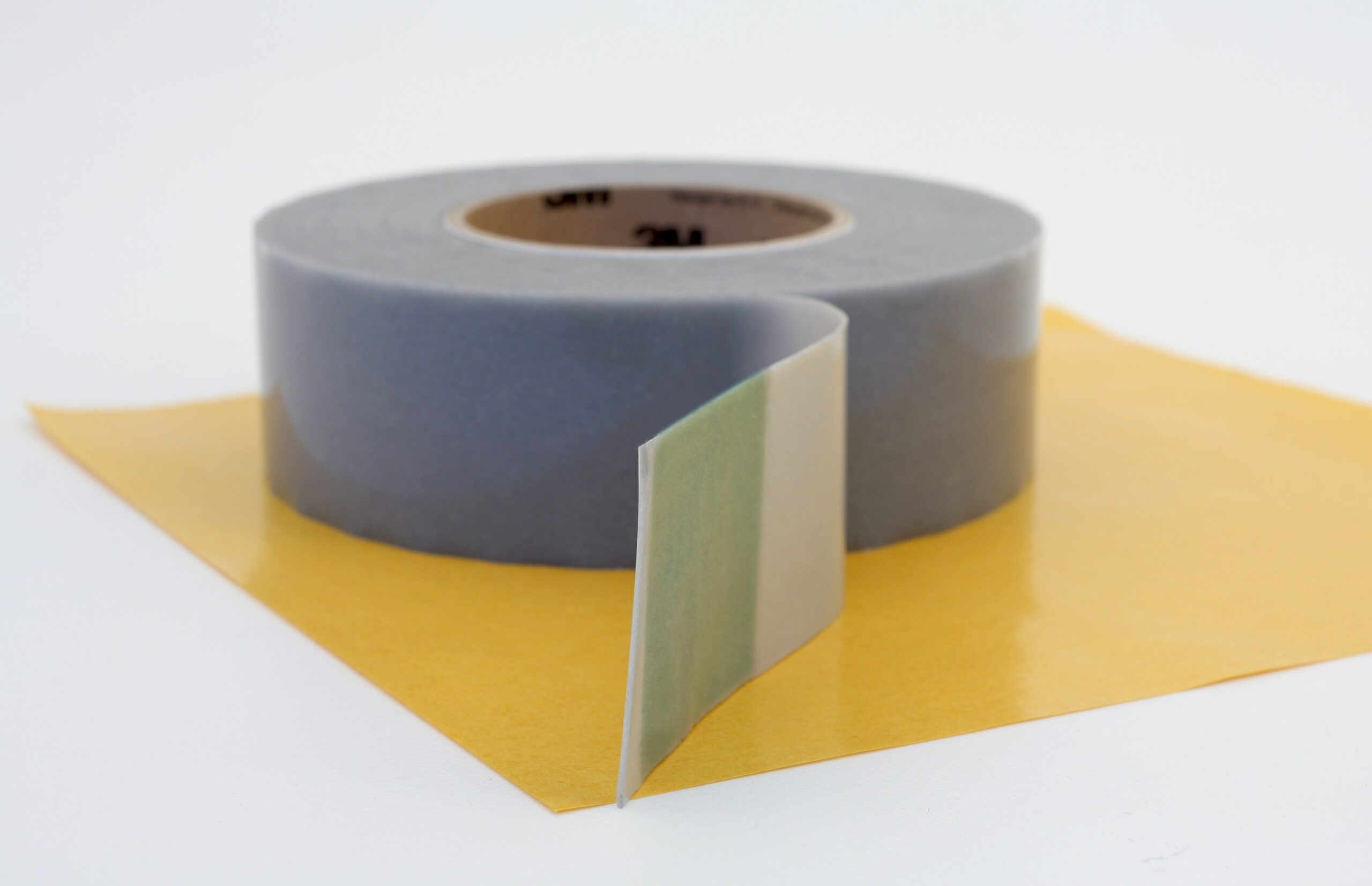
The BMP range of sealants also includes a particular family of single-sided acrylic foams which are applied quickly and easily, do not require waiting times for drying and which instantly and definitively seal gutters, flashings, skylights and windows, protecting them, furthermore, by the action of atmospheric agents.
Sealing acrylic foams are also used for the construction of articulated lorry bodies, guaranteeing hermetic closure and protection from rain, frost and air.
Single-sided acrylic sealing foams, available in white, black and gray in thicknesses of 1 or 2 mm, represent a valid alternative to silicone or butyl cartridge sealants.
All variants are protected by liner (on the non-adhesive side) and are easily paintable to obtain maximum aesthetic result.
Repulpable tapes
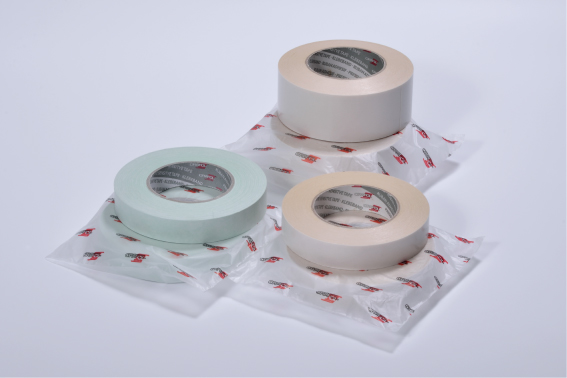
These are adhesive tapes that have the characteristic of melting if immersed in liquids. They can have a support in TNT, paper or, in some cases, be without support.
All components of the product, support, adhesive and, sometimes, even the liner must necessarily be water-soluble.
The main uses are:
- Creation of joints on cellulose in the paper and publishing sectors;
- Labeling of reusable bins and jerrycans (which need to be washed between one use and another);
- Any industrial application that requires a tape that can dissolve with water;
Anti-scratch tape
When it is necessary to protect a surface from scratches and small impacts it is possible to cover it with a thin layer of transparent polyurethane or high molecular density polyethylene, invisible and discreet.
BMP offers a wide range of single-sided polyurethanes, available in different thicknesses and finishes and can also be die-cut into the shape desired by the customer.
These products were developed for car and motorbike bodywork, are easy to apply and protect surfaces from scratches or abrasions. The latest generation ones are even regenerable.
To this range of products must also be added felt and flocked fabrics used to avoid rubbing between surfaces or objects.
Flexographic tapes
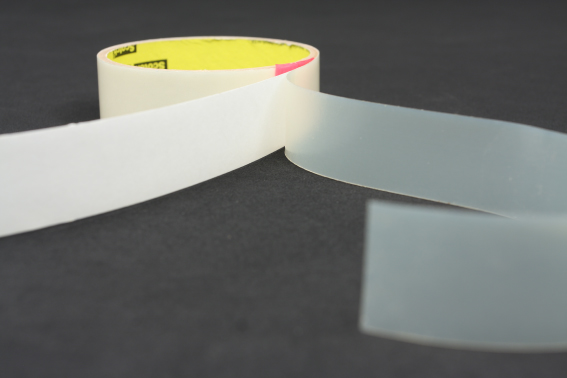
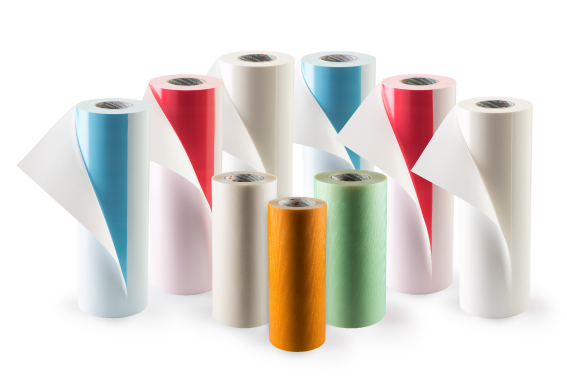
Rigid double-sided adhesive tapes or shock-absorbing foam used for mounting photopolymers (clichés) on metal sleeves or cylinders. Rigid double-sided adhesives, made up of a ppl or pvc support, must keep the clichés permanently glued during the printing process but, at the same time, guarantee their easy, fast and residue-free removal. They are available in 3 thicknesses (100, 200 and 300micron) to compensate for the small differences in printing length of the photopolymers. Currently, the use of rigid double-sided adhesives is increasingly limited and aimed mainly at the label printing or corrugated cardboard sector. However, when superior printing quality is required, shock-absorbing double-sided adhesive foams are used which have the characteristic of compensating for the different hardnesses and thicknesses of the clichés. This category of foams is generally available in 2 thicknesses (0.38mm and 0.50mm) and in various hardnesses (mainly: soft, medium and hard). It is mostly used in flexible packaging printing but its use is also becoming consolidated in label and paper printing.
Electro-conductive adhesive tapes
Electro-conductive adhesive tapes have the characteristic of conducting electricity.
We can divide them into a couple of macro-categories:
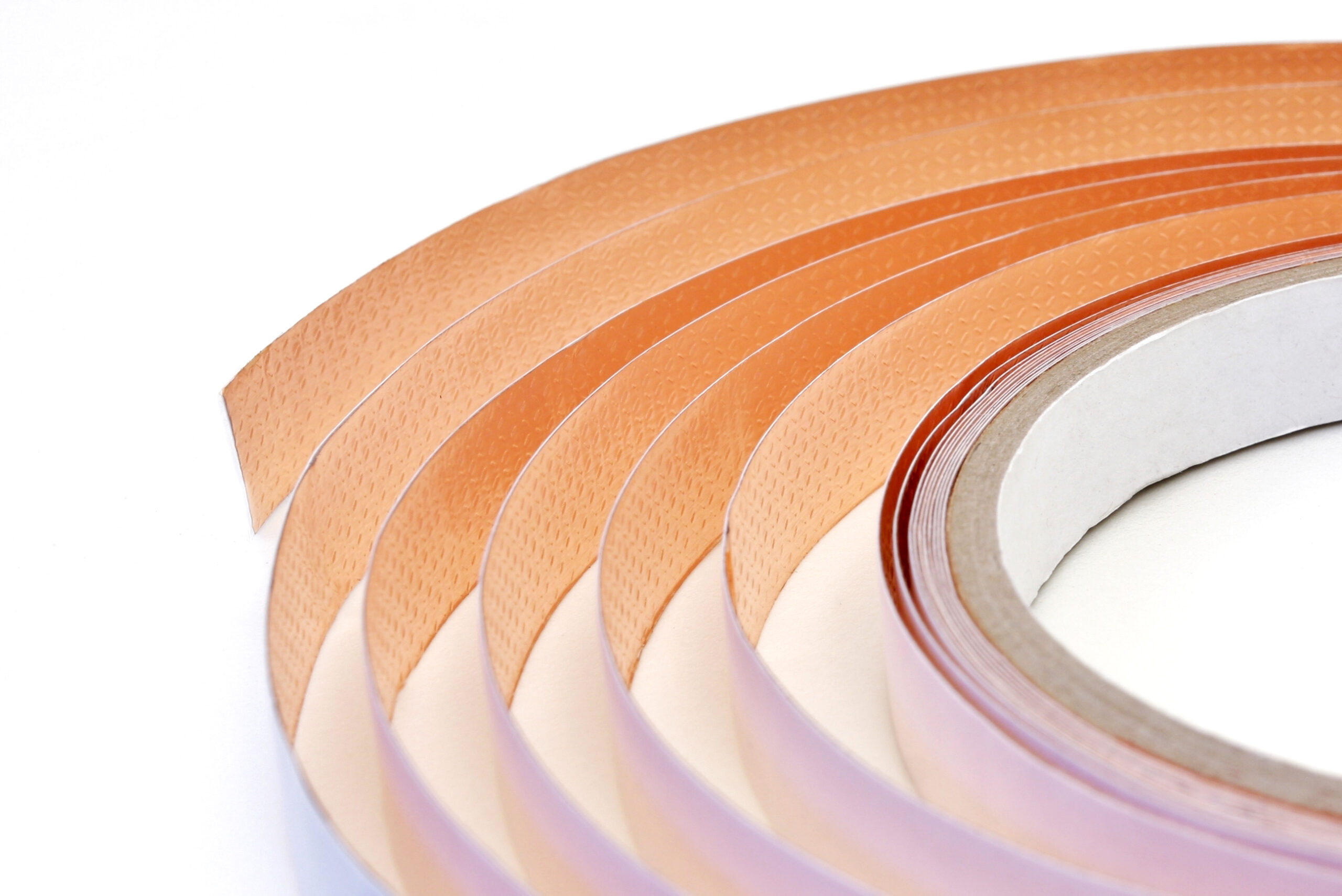
- electro-conductive single-adhesive tapes: they have a metal film support, usually copper or aluminium, coated with an adhesive containing metal particles capable of creating an electrical connection between the tape support and the substrate on which it is applied. They lead on the 3 axes: X, Y and Z.
- electro-conductive double-sided tapes: they are technically transfer tapes which owe their ability to conduct to the presence of fibers or metal particles within the adhesive mass. Those containing woven fibers (a sort of mesh or non-woven fabric) conduct on 3 axes, those containing spherical particles conduct exclusively on the Z axis, i.e. orthogonal to the tape application plane.
Dielectric tapes
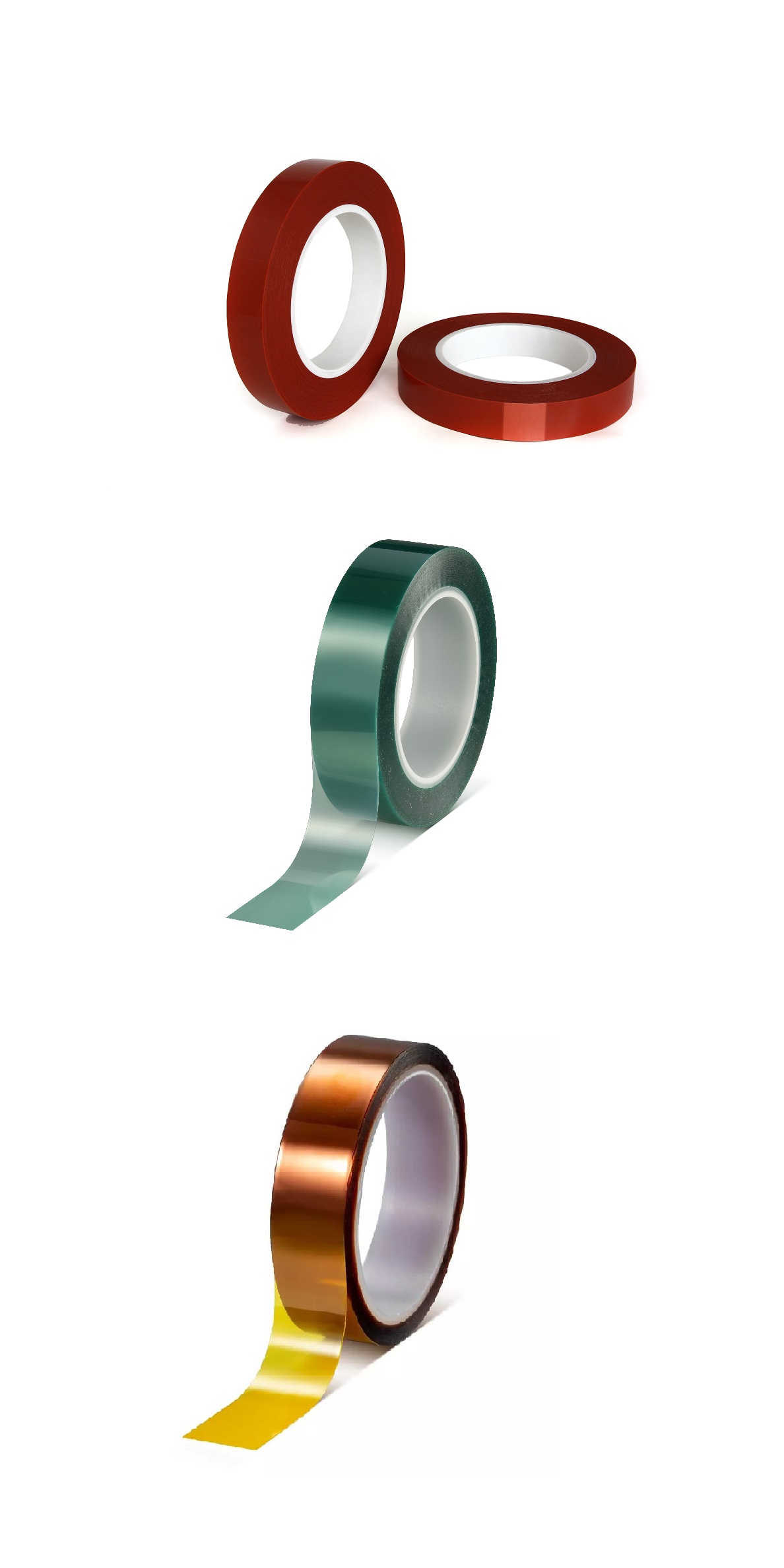
This is a vast range of single-sided tapes used in the electromechanical and electrotechnical sectors. Depending on the type of support, but above all the adhesive that composes them, these products are divided by thermal insulation class.
To stabilize the tapes at their service temperature or thermal class, the adhesives can be partially or fully cross-linkable, so as to provide better temperature resistance and greater resistance to solvents and paints.
Rubber-based adhesives, when fully cross-linked, allow for better resistance to aging and greater resistance to solvents and paints.
Acrylic adhesives are fully cross-linked and improve resistance to aging although with a reduced tack (initial adhesion).
Finally, silicone adhesives provide the highest temperature resistance and can be removed extremely easily without leaving adhesive residue on the surface on which we have applied them.
Therefore we have:
- Insulation class A (up to 105°C):
Supports: acetate, cotton.
Types of adhesive: thermosetting rubber. - Insulation class B (up to 130°C)
Supports: polyester, glass reinforced polyester, mylar paper, glass fabric.
Types of adhesive: thermosetting rubber or solvent acrylic. - Insulation class F (up to 155°C)
Supports: polyester, glass reinforced polyester, polyamide, Nomex®, Nomex® coupled with other materials such as PET, glass fabric or glass fibres.
Type of adhesive: solvent acrylic, thermosetting rubber (only for Nomex®). - Insulation class H (up to 180°C)
Supports: glass fabrics, Kapton®, Teflon (PTFE).
Types of adhesive: silicone
Dielectric adhesive tapes are mainly used:
- in wiring;
- in the wrapping of copper coils and cable terminals;
- in the wrapping of steam pipes;
- for winding capacitors;
- for the insulation of various types of welds;
- for phase insulation in electric motors;
- for the protection of power cables;
- in the production of printed circuits as a gold plating masker and in the wave soldering of electronic components.
Anti-slip tape
Stairs, steps, ramps, showers and changing rooms represent a potential risk area and cause, as a consequence, painful falls and accidents which weigh on operating costs.
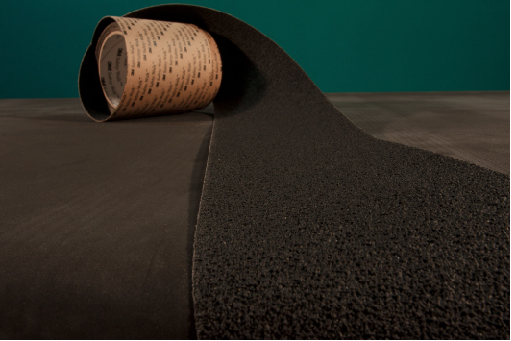
To overcome these problems, BMP offers a complete range of products suitable for multiple surfaces and situations. Anti-slip tapes are available for smooth, rough, smooth or uneven, slippery or wet surfaces for both shod and bare feet.
They guarantee resistance both indoors and outdoors and also in unfavorable environmental situations such as very humid and hot (saunas), wet (by swimming pools, spas, showers) and very busy environments (public transport, hospitals…).
A further category of anti-slip tapes is that of “grip” grip tapes. Many work tools or sports equipment are made of materials that do not allow them to be held safely and comfortably. The structure of the grip tapes combines comfort and grip characteristics, allowing for safe grips.
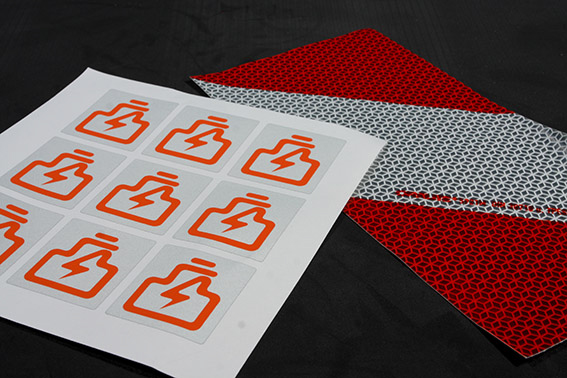
Reflective and fluorescent adhesive tapes
Reflective adhesive tapes are made with a film support coated with reflective microprisms or microspheres.
They are used to increase the night visibility of obstacles, road vehicles, special clothing.
They are also often used for the creation of road signs.
Based on their use, these tapes are expected to comply with specific regulations including ECE/ONU 48 and 104, ECE/ONU 70, DIN 30710, TPSCE etc…
Fluorescent tapes are capable of storing light radiation and re-emitting it in conditions of poor visibility. They are used for the temporary identification of obstacles such as in emergency evacuation situations following a blackout.
Anti-burglary tapes
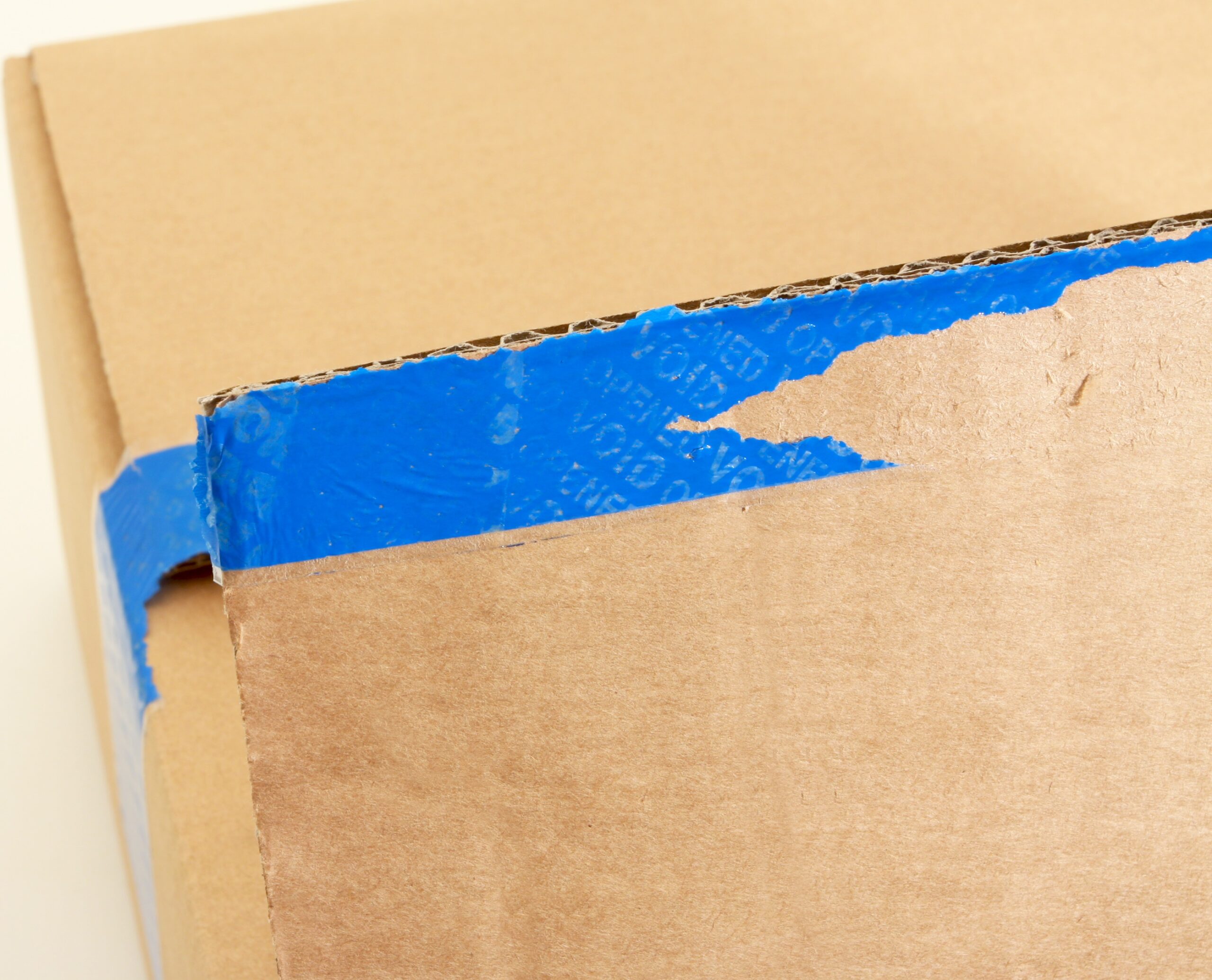
Anti-theft tapes are special single-sided adhesives used as a valid alternative to packaging tapes in all cases where it is necessary to leave traces of tampering with the package.
They consist of a transparent film support, coated with a pigmented adhesive (from which the color of the finished tape derives) which has the characteristic of not being strongly anchored to its support.
For this reason, after application, in the event of an attempt to detach the tape, the glue remains on the surface of the package, clearly signaling the violation.
The anti-theft tape can also be personalized with the name of the company or with a writing that alerts the recipient of the package if he receives it unsealed.
The anti-burglary tapes do not prevent the box from being opened but are useful to prove that it has been opened.